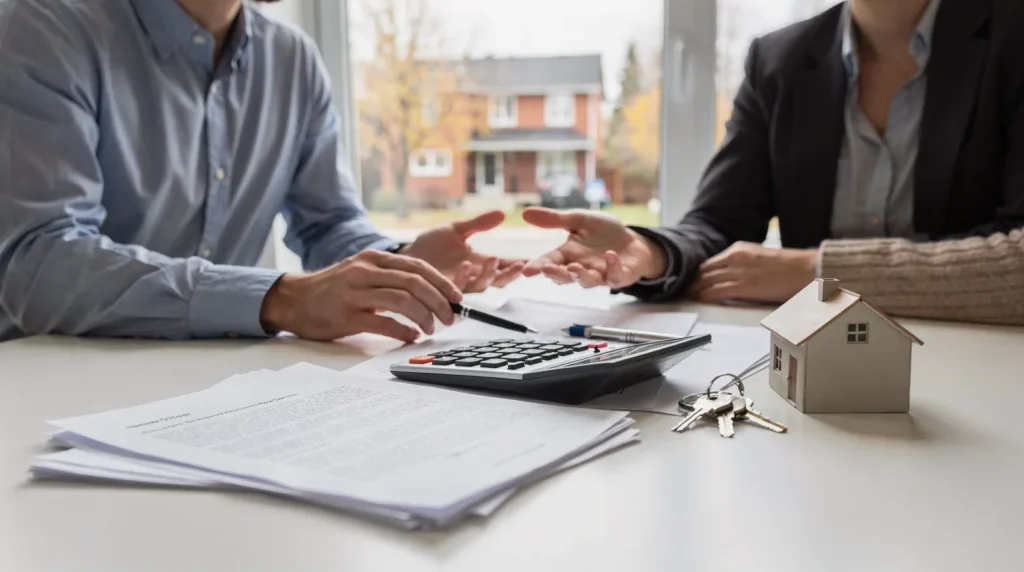
Average home purchase costs in Ottawa vary by property type and location. The Ottawa Property Shop Realty Inc. HotLists system provides buyers with exclusive access to listings across price ranges. First-time purchasers should consult the Guide for First Time Home Buyers in Ottawa for detailed cost planning.
What are the average home purchase costs in Ottawa
What are the average home purchase costs in Ottawa?
The average home purchase costs Ottawa buyers face begin with the property’s sale price. This figure serves as the baseline for every other expense in the transaction. Current market conditions determine the final number. Prospective purchasers must research prevailing prices before committing to a purchase.
Properties above that threshold demand larger percentages. A higher down payment reduces the mortgage principal and eliminates mortgage default insurance premiums.
What closing costs do Ottawa home buyers pay?
Closing costs Ottawa home buyers incur vary based on the purchase price and specific services required. These fees cover legal services, land transfer taxes, and administrative charges. Many first-time purchasers overlook these expenses during budgeting. Unprepared buyers face significant financial strain at the closing table.
How does the land transfer tax affect the total cost?
The Ontario land transfer tax Ottawa purchasers pay adds a substantial sum to the final bill. This provincial tax applies to every property transaction. First-time home buyers may qualify for a rebate that reduces this expense. The rebate reduces the upfront burden considerably.
The total cost of buying a house in Ottawa combines the purchase price, down payment, and all closing expenses. A general guideline suggests budgeting 1.5% to 2% of the home’s value for closing costs alone. Buyers who calculate their mortgage affordability gain a clearer picture of their financial limits. Factoring in every expense prevents last-minute shortfalls.
What closing costs should Ottawa buyers expect
What closing costs should Ottawa buyers expect?
Closing costs represent the mandatory fees and expenses required to finalize a real estate transaction in Ottawa. These costs typically range from 1.5% to 2% of the home’s purchase price, according to agentinottawa.com, meaning a $400,000 property carries approximately $6,000 to $8,000 in additional charges.
What is the Ontario land transfer tax in Ottawa?
The Ontario land transfer tax Ottawa buyers face is calculated as a percentage of the purchase price. First-time homebuyers qualify for rebates that reduce this significant expense. Budgeting for this tax early prevents last-minute financial strain.
How much do legal fees cost when buying in Ottawa?
Legal and conveyancing fees, including title insurance and disbursements, are standard closing costs Ottawa home buyers must pay. These professional services ensure proper transfer of ownership and protect against title defects. Buyers should anticipate these charges as a non-negotiable part of the transaction.
Home inspection and appraisal fees protect buyers from unforeseen structural or mechanical issues. An inspection reveals hidden defects before the deal closes. An appraisal confirms the property’s value aligns with the purchase price, satisfying lender requirements.
Adjustments for prepaid property taxes and utilities are prorated at closing. Sellers receive credit for expenses already paid beyond the closing date. These adjustments add to the total cost of buying a house in Ottawa and appear on the final statement of adjustments.
Ottawa buyers must also budget for 13 extra costs that often surprise first-time purchasers. Down payment requirements Ottawa lenders enforce vary by purchase price, with higher percentages needed for properties above a certain threshold.
Average home purchase costs Ottawa residents encounter extend well beyond the listing price. Land transfer tax, legal fees, inspections, and prorated adjustments combine to form a substantial sum. A disciplined savings plan covering both the down payment and these closing costs positions buyers for a smooth transaction.
How can buyers budget for ongoing expenses?
Budgeting for a home purchase extends well beyond the sale price. Buyers must account for recurring costs that begin the moment ownership transfers. Overlooking these expenses strains household finances and erodes long-term stability.
What insurance costs do Ottawa buyers face?
Buyers who fail to factor this into their budget face higher monthly payments than anticipated.
How do post-closing costs affect the budget?
Moving expenses and utility setup fees hit immediately after possession. These costs, often several hundred dollars, catch unprepared buyers off guard. A disciplined budget allocates funds for movers, connection charges, and basic supplies before the closing date arrives.
What ongoing costs do condominium buyers face?
Condominium purchasers carry an additional burden. Reserve fund health and potential special assessments demand careful evaluation. A poorly funded reserve signals future levies that disrupt household cash flow. Buyers who skip this review risk sudden, unbudgeted expenses that compromise affordability.
Average home purchase costs Ottawa calculations must include these recurring obligations. Buyers who plan exclusively for the down payment and closing costs Ottawa home buyers incur at settlement leave themselves exposed. Ontario land transfer tax Ottawa rebates help first-time purchasers, but the relief does not extend to monthly carrying costs. A complete budget accounts for insurance premiums, utility activation, and condominium contingencies from day one.
Conclusion
A buyer who accounts for the full scope of expenses (from the down payment and land transfer tax to legal fees, inspections, and ongoing carrying costs) positions the transaction for completion without financial disruption. The next step requires a disciplined budget that covers every obligation, ensuring the purchase proceeds without last-minute shortfalls.